Gran Concerto Modernissimo: Between Tradition, Memory, and Music, The Story of an Italian Musical Journey
There are musical projects that seem to open a door to another time. Gran Concerto Modernissimo brings together timeless melodies, unforgettable voices and the unmistakable atmosphere of Italian music, revisiting a repertoire that remains part of the country’s cultural memory. In this interview, we explore the inspirations, artists, challenges and emotions behind the project and its journey from the past to today.
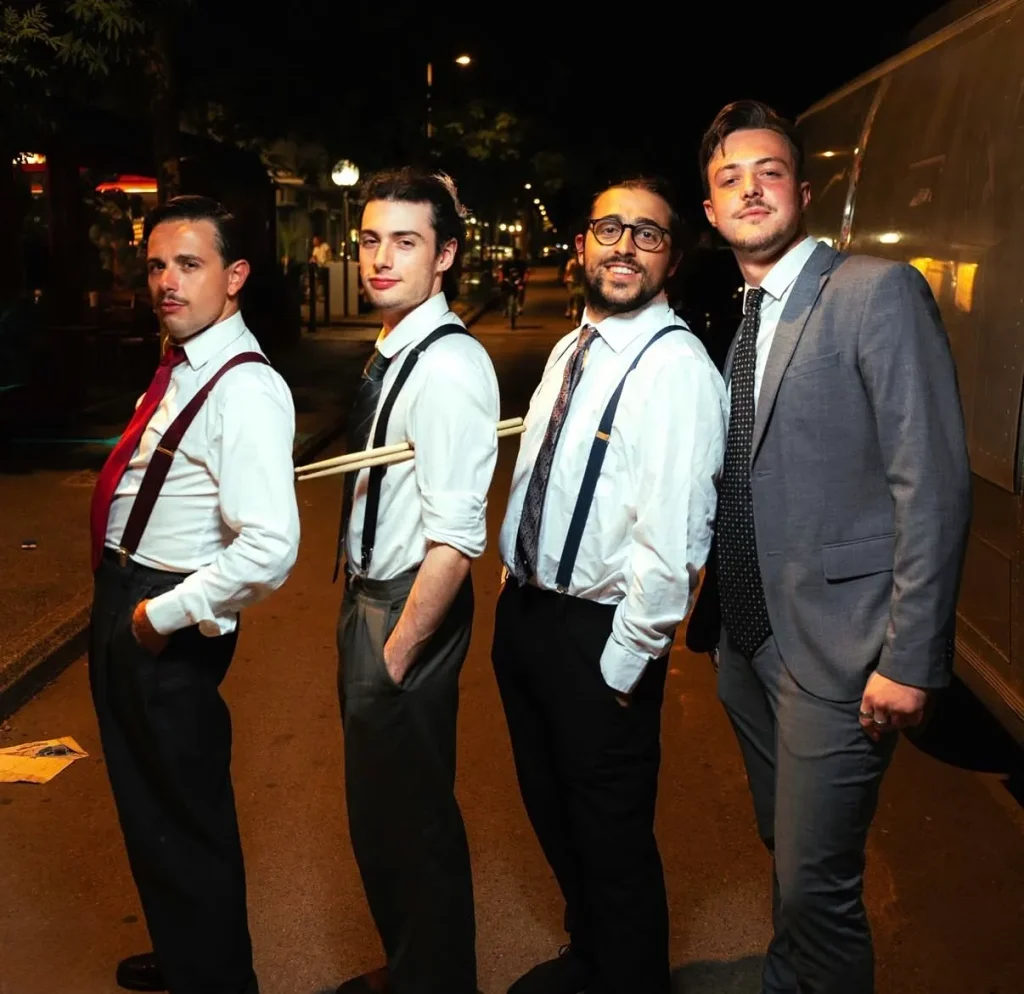
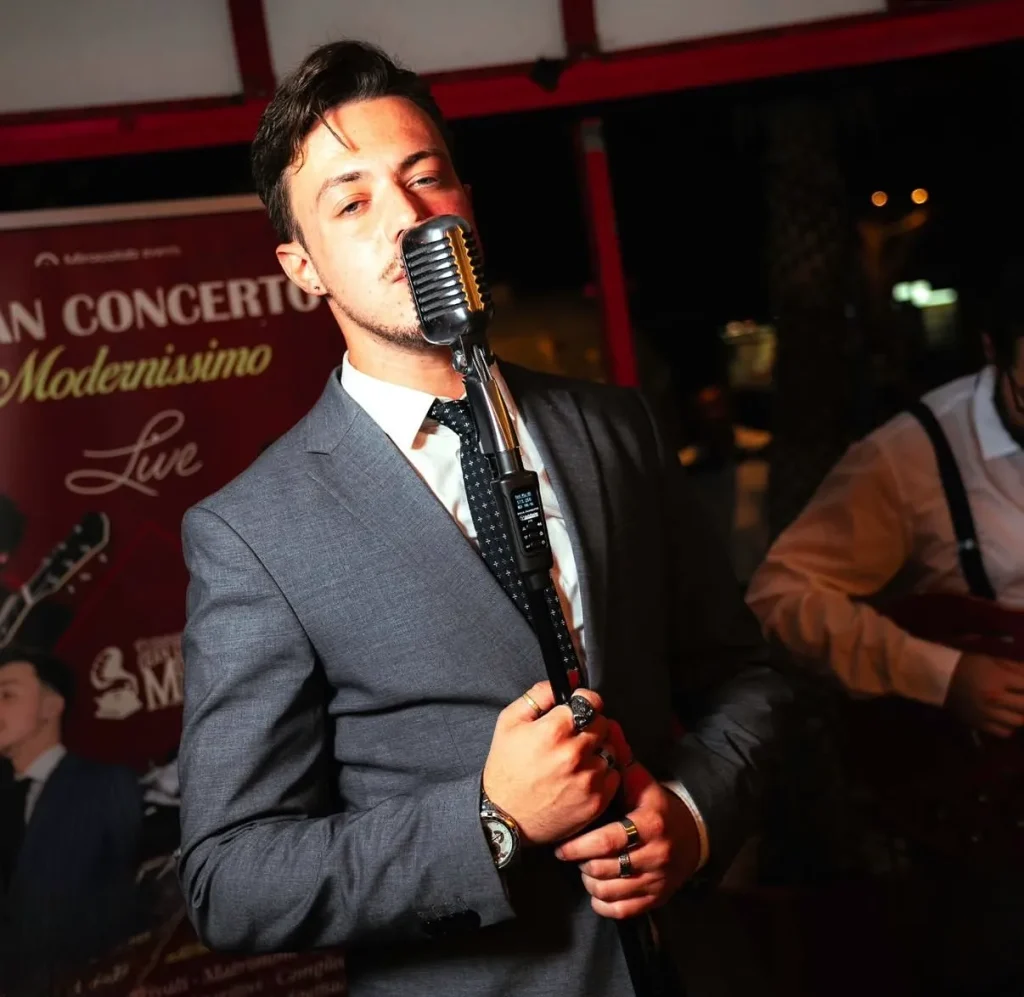
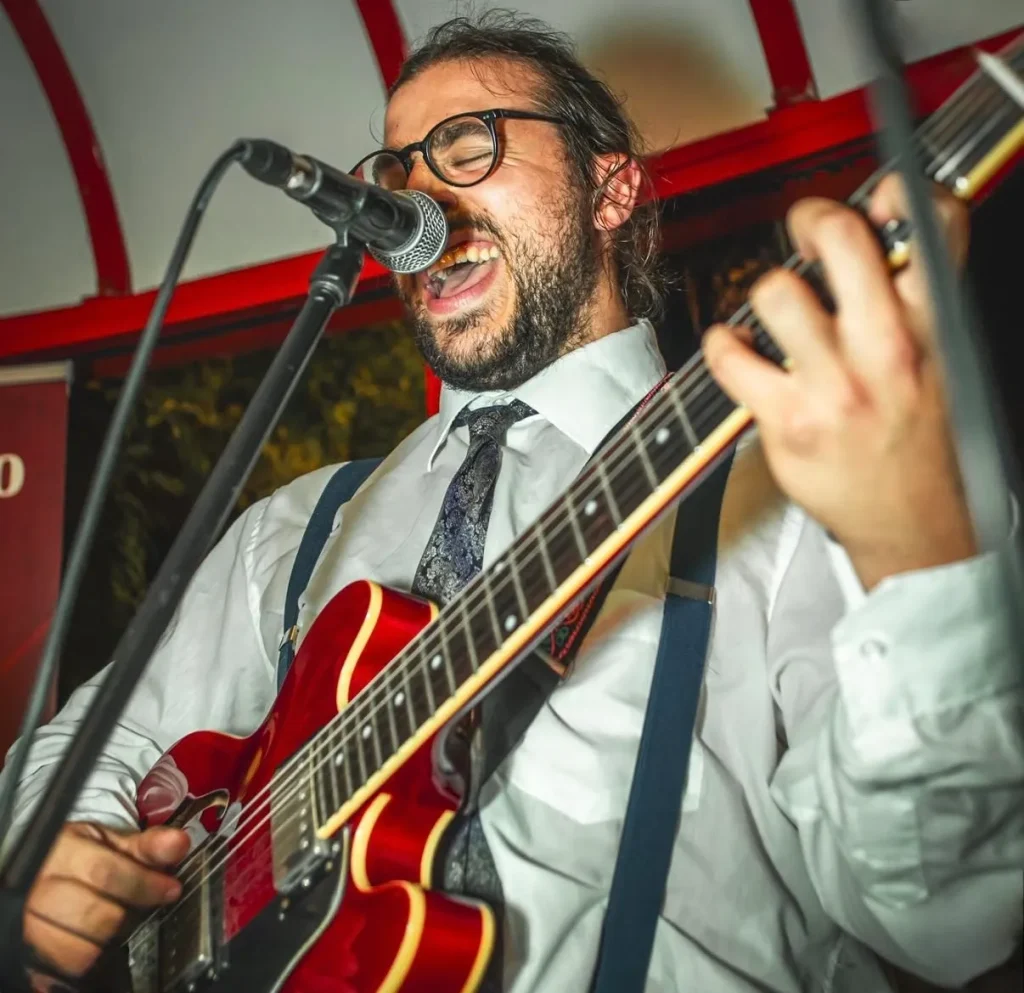
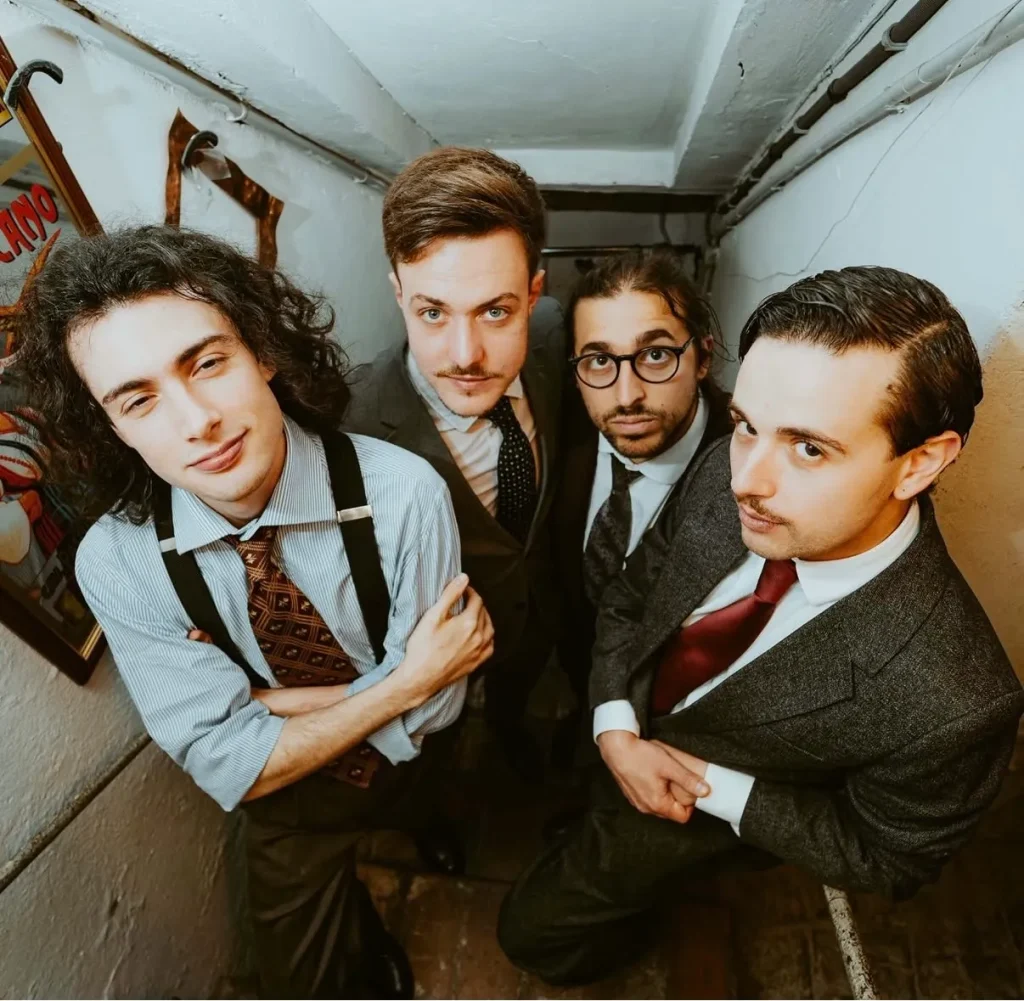
Gran Concerto Modernissimo was born from precisely this need: to bring a musical genre that is gradually being forgotten back to life, combining the artistic ambitions and different personalities of performers who almost seem to have stepped out of another era. Their project looks towards an Italy that feels increasingly distant, but whose music continues to carry an extraordinary emotional and cultural power. At the heart of Gran Concerto Modernissimo is a repertoire capable of bringing together different generations, with melodies deeply rooted in Italian culture and still able to find new meaning on stage today. The project moves through songs, voices and personalities that shaped an important chapter of the country’s musical history. The choice of repertoire is also a way of rediscovering the richness of Italian folkloristic music, from great classics to some of the most iconic songs of the last century. Gran Concerto Modernissimo approaches this heritage while seeking a balance between respect for the originals and a fresh, personal interpretation. What emerges is a performance where music, memory and personality meet, allowing these songs to continue speaking to audiences today.
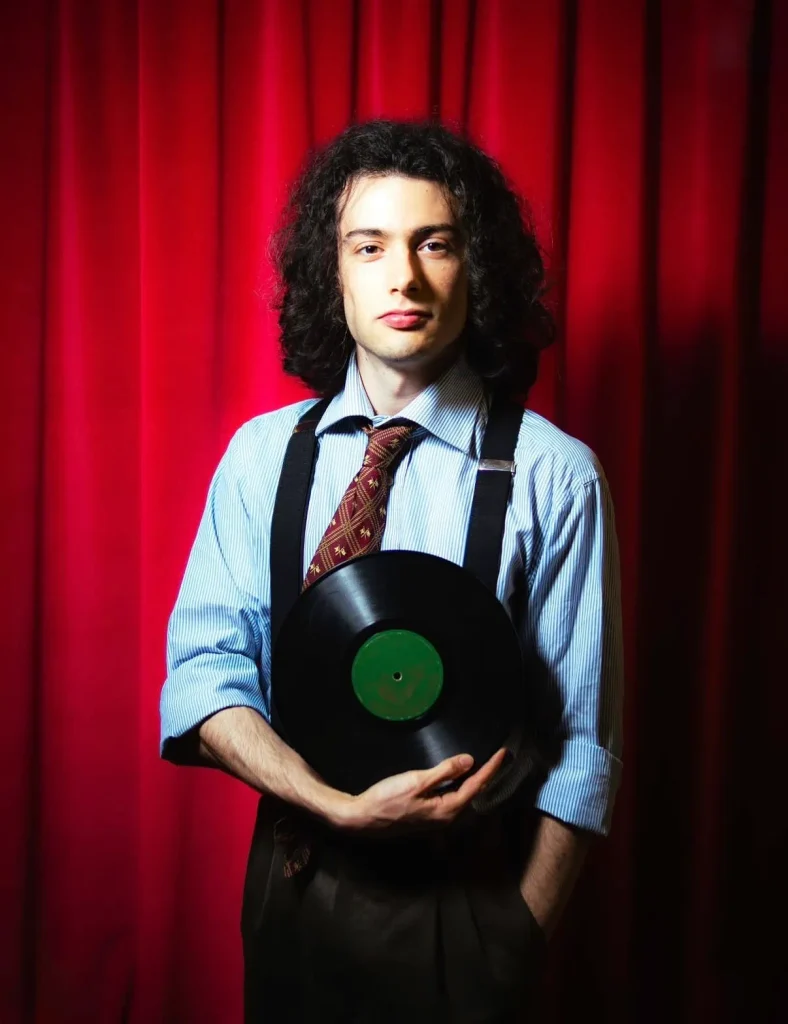
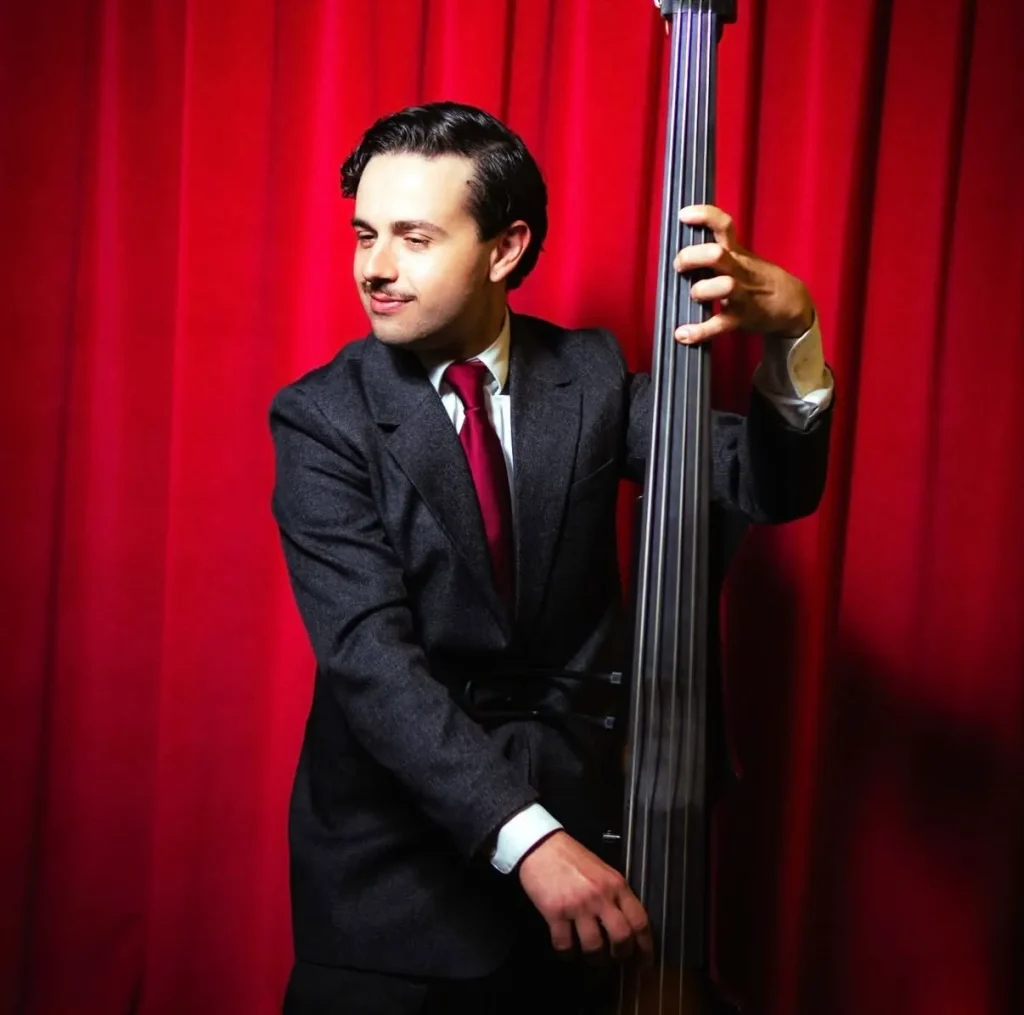
The choice of repertoire is therefore anything but accidental. Gran Concerto Modernissimo has chosen to explore the music of the 1920s to the 1960s, a period in which some of the greatest treasures of Italian folkloristic and popular music can be found, from timeless classics to some of the most iconic songs of the last century.
How was the Gran Concerto Modernissimo project born?
The project was born from the desire to bring back to life a musical genre that, over time, risks being increasingly forgotten. The idea came from the need to rediscover an important part of our cultural heritage while also giving space to the different personalities and artistic sensibilities of the performers involved, each with their own way of experiencing and expressing music. Gran Concerto Modernissimo was therefore not created simply to revisit songs from the past. The project aims to recreate an atmosphere, a way of performing and a sense of entertainment that belong to a different Italy, yet still have the power to move audiences today. We wanted to approach this repertoire with respect, without limiting ourselves to simply reproducing what came before. The goal is to create a dialogue between memory and the present, allowing songs that have shaped generations to return to the stage with renewed energy. It is precisely this meeting between tradition, personality and artistic vision that represents the essence of Gran Concerto Modernissimo.
Why did you choose music from the 1920s to the 1960s?
We chose this period because it represents one of the richest chapters in the history of Italian folkloristic and popular music. From the great classics to some of the most iconic songs of the last century, these decades offer a repertoire that still carries a strong emotional connection with the Italian public. For Gran Concerto Modernissimo, the period from the 1920s to the 1960s is much more than a collection of songs. It represents a remarkable cultural heritage, a time when melodies, voices and performers became part of the collective memory of an entire country. Many of those songs were present in everyday life, at family gatherings, celebrations and moments of shared emotion, becoming part of a musical identity that has been passed down through generations. We wanted to rediscover that world and bring it back to the stage with the same sense of authenticity, while allowing each performer to add their own personality. The aim is not simply to look back, but to show that this music still has something to say today. Through Gran Concerto Modernissimo, we hope to create a connection between those who remember these songs and younger audiences who may be discovering them for the first time.
He also tells us that…
There is something particularly special about watching an audience gradually transform during a concert. At the beginning, people are simply listening, observing and allowing the music to draw them in. Then, song after song, something begins to change. Certain melodies bring back memories, someone starts to smile, others begin to follow the rhythm, until the audience slowly becomes part of the performance itself. It is in those moments that a different connection develops between the stage and the people in front of it, when the distance between those performing and those listening seems to disappear. Seeing people begin to move, sing along and eventually dance is one of the most rewarding aspects of the project. It shows that these songs, even though they belong to another era, can still find a place in the present and speak directly to people’s emotions. That is what Gran Concerto Modernissimo hopes to achieve at every performance. It is not simply about presenting a repertoire from the past, but about creating an experience that involves the audience, brings memories back to the surface and, at the same time, creates new ones. When music can achieve that, a concert becomes something far more meaningful than a simple performance.
What audience reaction has affected you the most?
The reaction that strikes them most is seeing someone genuinely moved by the music. These are often the moments that reveal, perhaps more than applause ever could, how deeply a performance can reach its audience. Another reaction that means a great deal to them comes when someone passionately invites them to perform at a wedding or another important event. It is a simple gesture, but one that carries a much deeper meaning: the music has connected with people on a personal level. For the artists, these moments are among the clearest signs that the project is achieving what it sets out to do. The songs are not simply being heard from the stage; they become part of an emotion, a memory, or a special moment in someone’s life. And perhaps that is the most powerful confirmation of all. The music is not simply being listened to. It is being felt.
How do you choose the setlist for your concerts, and is there an artist you would particularly like to honour with a special project?
The setlist always starts with the event itself. A dinner show, a wedding or an evening dedicated to dancing all have a different atmosphere, and the music has to follow that atmosphere rather than simply filling the programme with songs. We usually begin by considering what kind of audience we will have in front of us and what we want people to experience during the evening. From there, we build the repertoire around three main elements: the type of event, the connection between the songs and the balance between more rhythmic pieces and quieter moments. The order of the songs is particularly important. We do not want the concert to feel like a simple list of titles played one after another. There has to be a certain continuity, with each song leading naturally into the next. Sometimes a change in rhythm can completely alter the atmosphere in the room, so the setlist is also about knowing when to increase the energy and when to give the audience a moment to simply listen. Then there is the relationship with the audience. Once we are on stage, the evening can take a direction that was not necessarily expected when the setlist was prepared. If people start dancing, singing or responding strongly to a particular song, we notice it. That reaction becomes part of the performance, and sometimes it is precisely the audience that tells us where the concert should go next. Looking ahead, there is also an artist we would particularly like to honour through a special project: Renato Carosone. Carosone represents a very important part of Italian musical history. What makes him particularly interesting to us is the way he managed to bring together Italian identity, rhythm, irony and international influences without losing the character of his music. His songs had a very distinctive personality, and that personality is still immediately recognisable today. There is also something very direct about Carosone’s music. It can make people smile, move and sing almost immediately. That ability to communicate with an audience is one of the qualities we value most as performers. A project dedicated to him would therefore not simply be a tribute. It would be an opportunity to return to that repertoire, rediscover some of its stories and bring them back to the stage from our own perspective. We would want to preserve the spirit of the original songs while allowing the personalities of our performers to emerge naturally. In the end, that is what interests us most about this kind of project: taking music that belongs to another time and discovering that it can still have a place in the present. Carosone’s repertoire has that strength. It carries a very precise piece of Italian history, but it still has the ability to reach an audience without needing much explanation. And perhaps that is the best tribute an artist can receive.
What continues to move you today when you perform music from this period, and which song does the audience ask you to perform most often?
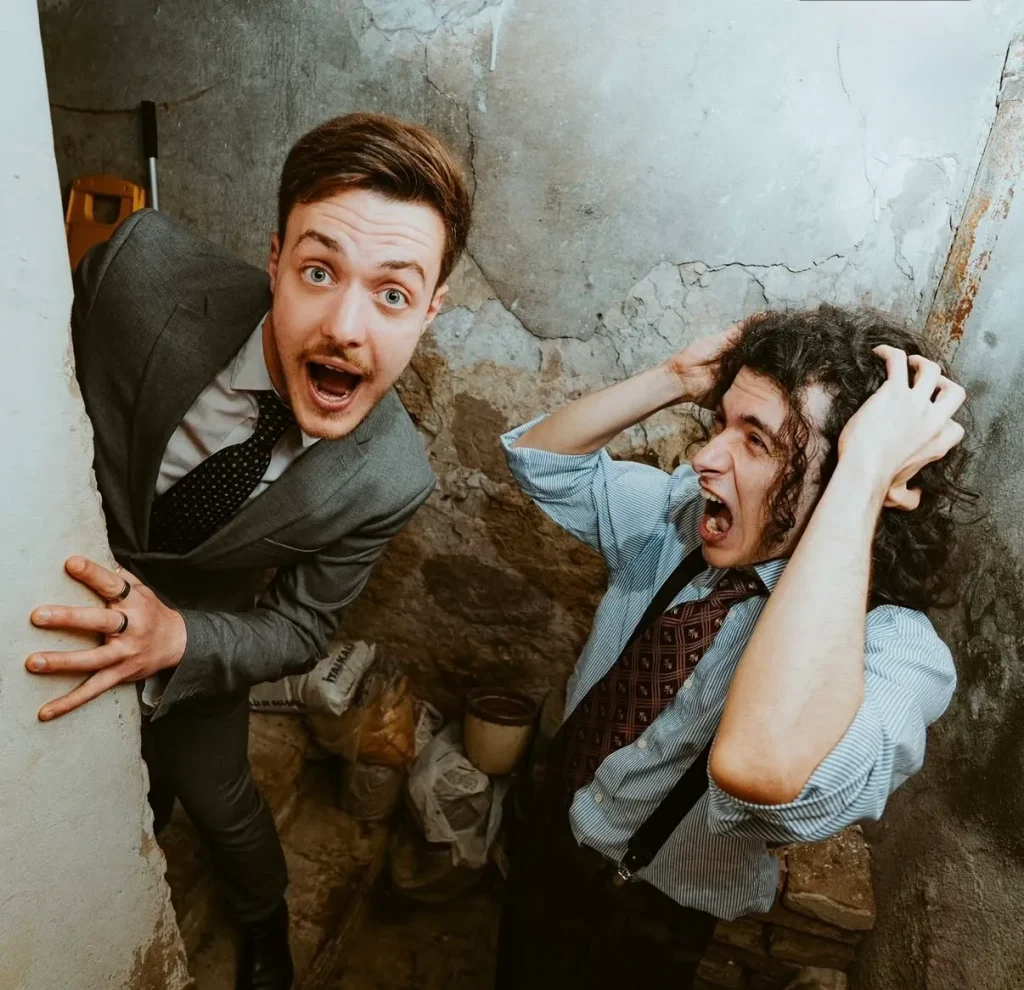
There is something very familiar about performing this music. It brings us back to an Italy that feels distant in time, but not necessarily in emotion. These songs are connected to memories, places, people and moments that have been passed from one generation to another, and performing them today allows us to experience that connection again. That is one of the reasons we continue to look towards this period. We are not interested in simply reproducing the past. What matters to us is preserving the character of that music and understanding why it was so important to the people who listened to it. There is a particular atmosphere in these songs, and even today it can be felt as soon as the first notes are played. Music has a way of doing something that very few other forms of expression can achieve. A song written decades ago can still make people smile, sing, dance or suddenly remember something from their own past. Sometimes the reaction is immediate, even when the person listening was not there when the song was originally released. We see that very clearly during our performances, especially with “Tu vuò fà l’americano.” It is undoubtedly the song the audience asks us to perform most often. As soon as it begins, the atmosphere in the room can change almost immediately. The rhythm is familiar, the energy is unmistakable and people naturally begin to follow the music. It is also one of those songs that brings different generations together. Some people know every word, others recognise the melody instantly, while younger members of the audience can discover it through the performance and still respond to it in exactly the same way. That reaction is particularly meaningful to us because it shows that a song can move beyond the period in which it was written. This is the world we want to bring back to the stage with Gran Concerto Modernissimo. From the elegance of the 1920s to the energy of swing, from the great voices of Italian popular music to songs such as “Tu vuò fà l’americano,” the repertoire tells the story of a country through its music. What interests us is not only the songs themselves, but everything that surrounds them. The language, the characters, the atmosphere and the way music was experienced at the time. Bringing all of this back to an audience today gives these songs a new context without taking away their original identity. And perhaps that is what makes the project particularly meaningful for us. We are performing music that belongs to another period, but we continue to see how naturally it connects with people today. Someone may recognise a melody from childhood, another person may discover it for the first time, while someone else may simply find themselves dancing without having planned to. In the end, we are not trying to recreate an Italy that no longer exists. We are trying to show that an important part of its musical identity is still here. These songs have already travelled through several generations, and if they continue to create emotions today, perhaps they still have more stories to tell.
Until our next interview, I leave you with my warm regards.A sincere thank you from Micro Influencer Daniel Balan, where every project becomes a visual narrative and every connection a new story to tell.If you wish to follow my work and explore the world of Daniel Vision Lab, you can find me on Instagram at @danielbalan.oficial
0 risposte a “Gran Concerto Modernissimo: Between Tradition, Memory, and Music, The Story of an Italian Musical Journey”